
Emergency restaurant equipment repair, 24/7, in the Twin Cities
24/7 emergency restaurant equipment repair in Minneapolis and Saint Paul: warm walk-ins, dead fryers, dish and ice machines.
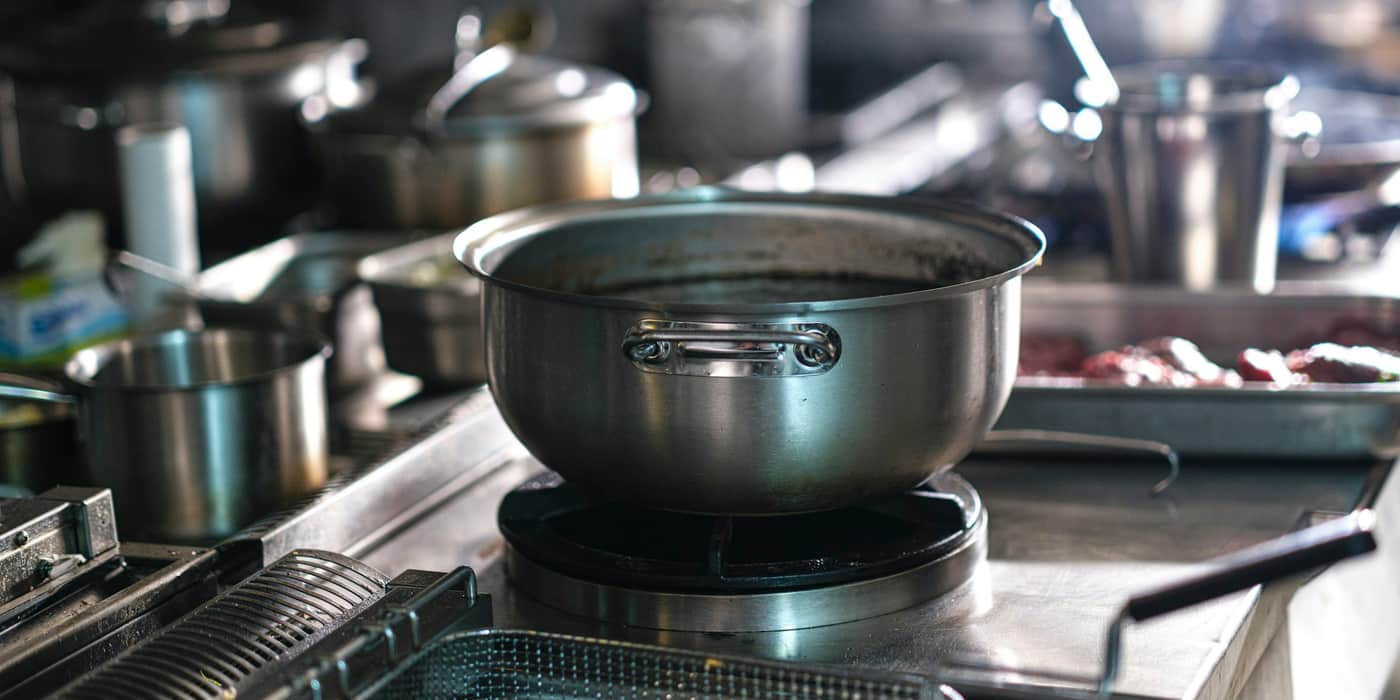
What should I do when restaurant equipment fails during service?
When equipment fails during service, protect the food first: keep walk-in doors shut, move high-risk product to working cold storage and probe-check temperatures. Then check the breaker, write down any fault code and call. We answer emergency calls 24 hours a day, 7 days a week, and give you a written price before a repair starts.
How a restaurant kitchen fails and gets repaired
An emergency in a kitchen is almost never the machine alone. It is the product at risk, the covers that cannot be served and the staff waiting. We answer emergency calls around the clock, every day of the week, and repair equipment on site across Minneapolis, Saint Paul and the cities around them. We do not state a response time, because it depends on where the technician is and what else is going on.
The first call goes better with a short list: what failed, what the machine did before it stopped, any code on the display, and whether other equipment is down too. A warm walk-in cooler comes first because food is at risk. A dead commercial fryer or dish machine costs sales, and without sanitized dishes service can stop entirely. Tell us which of those is happening and we plan the call around it.
Restaurant kitchen complaints, causes and corrections
| Complaint | Likely cause | Correction |
|---|---|---|
| A walk-in or reach-in is warm and rising | A failed compressor, a dead condenser fan, a frozen evaporator, a tripped breaker or an open or unsealed door can all do it. Product safety is on a clock. | We diagnose the box on arrival. You protect the food in the meantime by moving high-risk items to another cold unit and keeping the door closed. |
| Gas smell anywhere in the kitchen | A leak at an appliance connection, a pilot that went out and left gas flowing or a damaged line. Gas can collect and ignite. | Leave the building at once, call the gas utility or 911 from outside and do not switch anything on or off. Piping and the utility side of the meter are not ours; appliance repair comes after the all-clear. |
| Burning smell, smoke, sparks or a hot breaker | Overheated wiring, a failing motor, a shorted element or a loose lug is generating heat. | Switch the machine off at its own disconnect if you can reach it safely, leave it off and call. If there is a fire, call 911 and leave. Fire suppression systems are serviced by a fire protection contractor. |
| Water pouring from a machine or onto the floor | A failed inlet valve, a split hose, a clogged drain or an overflowing dish machine tank. Water near electrical equipment is a hazard. | Close the water shutoff to the machine if you can reach it dry, stay off wet floors near powered equipment and call. We repair the failed valve, hose or fitting. |
| The dish machine fills, runs and dishes come out dirty or cold | A failed heating element or booster, a dead rinse pump, clogged spray arms or no chemical feed means dishes may not be sanitized. | Stop serving from unsanitized dishes, use your backup warewashing method if you have one and call. We test the heaters, pumps and chemical feed. |
| Fryer or oven will not light or heat | A pilot that does not stay lit, a failed igniter or thermocouple, a tripped high-limit or a dead element or contactor. | We test the heat sequence. Do not bypass a safety. If there is no gas smell and the manufacturer's lighting instructions are posted on the appliance, staff trained on that appliance may follow those instructions once; if the pilot does not light or does not stay lit, stop and call. |
| Exhaust fan or make-up air stopped, line is smoky and hot | A broken belt, a seized fan motor, a tripped breaker or a failed control leaves the hood without airflow. | Stop cooking operations that produce smoke and grease, keep doors open if it is safe and call. We repair the fan, the belt or the control. |
| Ice machine is dead before a busy service | A failed water valve, a stopped compressor, a full bin sensor fault or a tripped breaker. | We diagnose the machine on arrival. Meanwhile, check the breaker and the water supply valve and use bagged ice from a supplier if the bar needs it. |
Before you call about a restaurant kitchen
- Keep refrigeration doors closed. Probe-check food temperatures and move high-risk items to a working cold unit.
- Look at the machine's own breaker before anything else, because a tripped one can be the whole failure. If it drops again right after you reset it, stop resetting and call.
- Read the display and write down the exact fault code or message before you power-cycle anything.
- Photograph the rating plate showing the make, model and serial number, if it is easy to reach.
- Check that water supply valves to the machine are open and look for a leak, but stay off wet floors near live equipment.
- A gas smell is the one emergency that starts with everyone leaving the building, then calling the gas utility or 911 from outside. If there is smoke or fire, call 911.
Stop at gas valves, 208, 240 or 480 volt wiring, sealed refrigerant circuits, steam under pressure and anything live. Those are a call.
How the first call and the visit run
Take the call
We ask what failed, what it did first, whether anything else is down and how much food or service is at risk. Emergency calls are answered 24/7.
Sort by what is at risk
Food that will spoil, safety problems and equipment that stops the whole kitchen come ahead of equipment that is merely inconvenient.
Test on site
We run the machine through its sequence, take electrical and temperature readings and find what failed. The same reasoning applies as on a routine call; the pressure is simply higher.
Give the written price before work starts
You see what failed and what the repair costs in writing and approve it. If a part has to be ordered, we say so and discuss a temporary measure.
Confirm it works before we leave
We run the repaired equipment, check temperatures or rinse readings and tell you what to watch over the next services.
Parts we find and replace most often
- Compressor contactor and capacitors
- A common cause of a walk-in that suddenly stops cooling; heat and short cycling wear them out.
- Condenser and evaporator fan motors
- A seized motor stops airflow and raises pressure or freezes a coil.
- Igniters and thermocouples
- Keep a pilot lit and prove flame; they fail on fryers, ovens and ranges.
- Water inlet valves and hoses
- Fail on ice machines and dish machines, causing no fill or a flood.
- Heating elements and booster heaters
- Heat dish machine rinse water and electric cooking equipment; scale and age fail them.
- Exhaust fan belts and motors
- Stretch, slip or seize and leave the hood without airflow.
- Control boards and sensors
- Fail from heat and moisture and can stop a machine that is mechanically fine.
Restaurant kitchens we repair, by type
- Refrigeration failure
A walk-in or reach-in that has stopped cooling puts product at risk of leaving the 41°F cold holding limit. See commercial refrigeration repair.
- Cooking line down
A fryer that will not heat, an oven that will not light or a range with no flame stops the menu. See commercial cooking equipment repair.
- Ice machine failure
Bars, beverage stations and food cooling all depend on ice. See ice machine repair.
- Dish machine down
Without clean, sanitized dishes service stops, even if the kitchen is otherwise fine. See commercial dishwasher repair.
- Ventilation failure
A dead exhaust fan or make-up air unit makes a hot line unworkable and can affect gas pilots. See kitchen hood and ventilation service.
- Power or water event
A tripped main, a phase loss, a leak or a flood can take down several machines together. The kitchen overview is at commercial kitchen equipment repair.
What decides the cost of the work
- The part behind the failure. Many emergency calls end in one small part and some end in a compressor or a board; the diagnosis decides which.
- Whether a part has to be ordered, and how long it takes to arrive, which may mean a temporary fix and a return visit.
- Access to the equipment, such as a rooftop condensing unit or a machine built in against a wall.
- Whether the failure damaged other parts, for example a phase loss or a flood.
- The hours of the visit, because an emergency repair overnight or on a holiday takes the same work in less convenient hours.
Repair or replace the restaurant kitchen?
In an emergency the pressure is to replace something quickly. Slow down for a moment. Most failures are parts, not whole machines, and the repair is often smaller than replacement. But a compressor on an old unit, a leaking tank or a unit that has already failed several times may justify replacement, and an urgent repair can buy time to plan it. The repair or replace guide sets out what to weigh, and the equipment down during service guide covers keeping the kitchen going.
Restaurant kitchens by brand
Related to restaurant kitchen repair
Related repairs
Where it matters most
Where we repair restaurant kitchens
- Restaurant kitchen repair in Lakeville, MN
- Restaurant kitchen repair in Maple Grove, MN
- Restaurant kitchen repair in Maplewood, MN
- Restaurant kitchen repair in Minneapolis, MN
- Restaurant kitchen repair in Minnetonka, MN
- Restaurant kitchen repair in New Brighton, MN
- Restaurant kitchen repair in Oakdale, MN
- Restaurant kitchen repair in Plymouth, MN
- Restaurant kitchen repair in Prescott, WI
- Restaurant kitchen repair in Prior Lake, MN
- Restaurant kitchen repair in Ramsey, MN
- Restaurant kitchen repair in Red Wing, MN
Other programs repairs
Questions about restaurant kitchens
How do I decide what food to keep after a walk-in failure?
TCS food must be held at 41°F or below under Minn. Rules 4626.0395; Wisconsin kitchens follow the Wisconsin Food Code. Probe the product, and ask your health department before keeping anything you cannot show stayed within its time limits.
Should I keep opening the walk-in to check on it?
No, you should not keep opening the walk-in to check on it, because every opening lets warm air in and speeds the rise. If you must check, make it one quick probe reading, move high-risk items to working cold storage and keep the door closed the rest of the time.
What should I do if a gas appliance fails?
A failed gas appliance with any gas smell means you leave the building and call the gas utility or 911 from outside. If there is none, leave the appliance off and call. Do not bypass a safety. If there is no gas smell and the manufacturer's lighting instructions are posted on the appliance, staff trained on that appliance may follow those instructions once; if the pilot does not light or does not stay lit, stop and call.
Can I find out if equipment is worth repairing before I call?
No, we cannot say whether a machine is worth repairing without seeing it, because the same symptom has cheap and expensive causes. We diagnose on site and give you a written price, and you decide. The repair or replace guide helps you weigh that choice before you approve anything.
Do you handle a kitchen fire or a discharged suppression system?
No, we do not handle a kitchen fire or a discharged suppression system, so call 911 for a fire. A discharged or damaged suppression system has to be inspected and recharged by a fire protection contractor. We can repair the cooking and refrigeration equipment once the area has been cleared and made safe.
What information makes an emergency call go faster?
An emergency call goes faster when you have the make and model from the rating plate, what the machine did right before it failed, any code on the display, and whether the breaker has tripped. A photo of the plate and display is the quickest way to give it.