
Pizza oven repair in Minneapolis and St. Paul
Pizza oven repair for deck, stone hearth and countertop ovens in Minneapolis and St. Paul: thermostats, elements, burners and cracked stones.
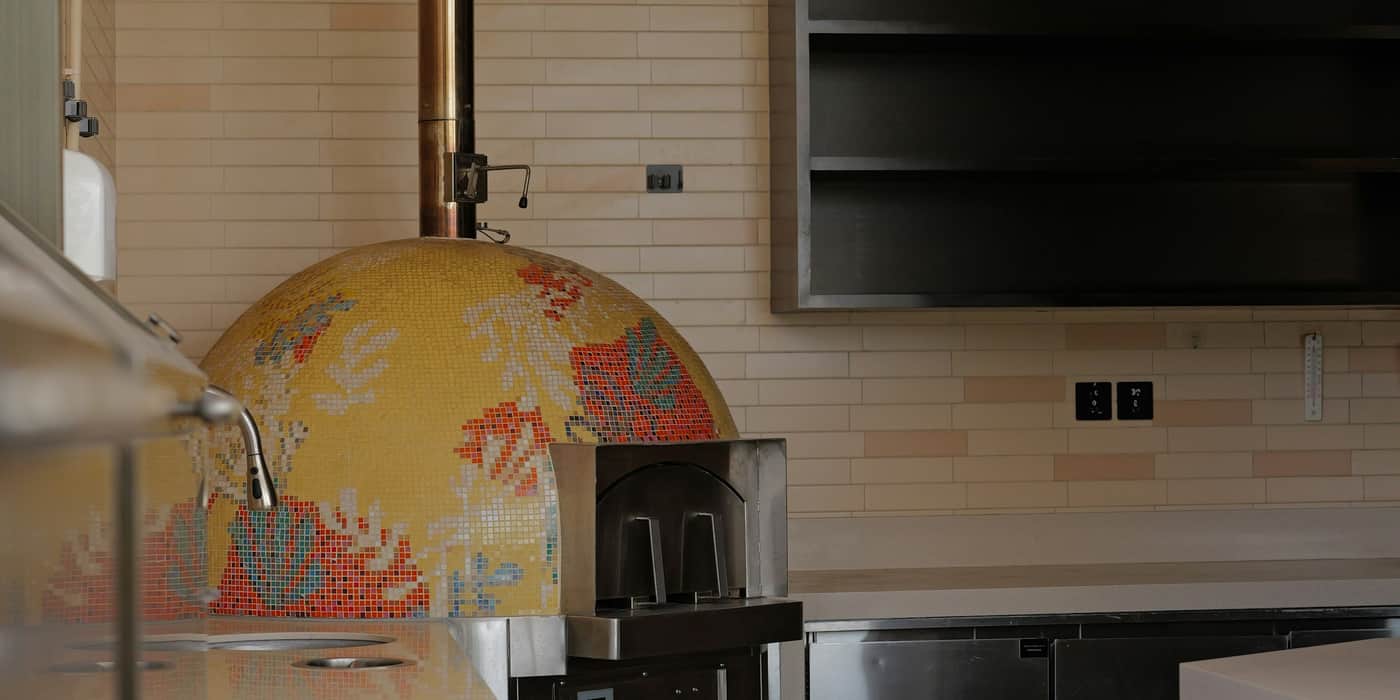
Why is my pizza oven not getting hot enough or baking unevenly?
On a gas deck oven, a dirty burner, a failing thermostat or a weak ignition part is the usual cause. On an electric deck oven, a burnt-out element or a worn contactor leaves one zone cold. A chipped or wet stone and a leaking door also pull the bake down.
How a pizza oven fails and gets repaired
A pizza oven has to hold its temperature while the door opens fifty times an hour, and the crust shows every fault. A cold back corner, a deck that scorches the bottom, a thermostat that overshoots: pizzerias and any restaurant with pizza on the menu live and die on these ovens. Because a deck oven is heavy and built into the line, we service deck ovens, stone hearth ovens and countertop pizza ovens in your kitchen instead of asking you to move them.
This page covers deck-style and stone-floor ovens in both gas and electric. Impingement ovens that move pizzas on a belt belong with conveyor oven repair, and the bakery-style rack and deck bake ovens are under bakery equipment repair. If the oven runs but will not reach temperature, the pizza oven not hot enough guide covers the symptom in more depth, with the same causes sorted by what you can see and hear at the oven.
Pizza oven complaints, causes and corrections
| Complaint | Likely cause | Correction |
|---|---|---|
| Deck never reaches baking temperature | On gas, burner ports are clogged with grease and scale, or the pilot is weak. On electric, one element or a contactor has failed so the deck is only partly heated. | Burner ports are cleaned and flame pattern checked. On electric units, each element is tested for continuity and the contactor for pull-in. |
| Crust is pale on top and dark on the bottom | On an electric deck oven the top element has failed or the top-heat control has drifted low. A gas deck oven fires from below, so a pale top means the chamber is losing heat through a leaking door or an open flue damper. | On electric ovens the top and bottom circuits are tested separately and the control is checked against a measured deck temperature. On gas ovens the door seal, damper position and thermostat are checked. |
| Bottom burns before the top sets | The thermostat is reading cold and overheating the stone, or on a gas deck the setpoint is too high for the chamber or the flue damper is open. A cracked stone also bakes unevenly. | The thermostat bulb or probe is tested against a separate thermometer on the deck, and the damper position is checked on gas ovens. A cracked stone is flagged and replaced if the damage will worsen. |
| Temperature keeps climbing past the setpoint | The thermostat is failing closed, its capillary bulb has moved out of position, or a contactor is welded shut. | The control is cycled under observation and the contactor is checked. A control that will not shut heat off is a stop-and-call situation. |
| Burner goes out between pies | A draft from the hood or the front door is reaching the burner, the pilot is dirty, or the safety valve has a weak thermocouple. | The thermocouple output is measured and the pilot is cleaned. If a draft is the cause, we show how air is moving at the oven. |
| Door will not stay closed or leaks heat | Door hinges and springs wear out from constant opening, and the door may no longer seal against the front of the deck. | Springs, hinges and the closing action are replaced or adjusted so the door holds in place and loses less heat. |
| Stone cracks or spalls | Water or a wet spill on a hot stone, or years of heat cycles. | The stone is replaced when a crack goes through, and we check that the burner or element below is not the reason the stone is cooking unevenly. |
| Oven trips the breaker or smells of burning insulation | A leaking element, a loose connection at a terminal, or spilled cheese and oil burning on the heating parts. | Terminals and elements are inspected with the power isolated by the technician. A breaker that trips again is a call-us situation. |
| Digital control shows a code or loses its settings | Heat at the control panel, a failed probe, or a power supply on the board that has weakened. | Probe and supply voltage are checked before a board is replaced, and a panel running too hot is traced to a blocked vent or a cooling fan. |
Before you call about a pizza oven
- Check the breaker and the oven's on switch, and confirm any separate power switch for the top and bottom heat is on.
- Brush loose flour, cornmeal and cheese off the deck once the oven is fully cool.
- Look at the door as you close it. If it hangs open at a gap or the spring has no pull, tell the technician.
- Confirm nothing is stacked in front of the oven's rear or side vents and that the hood above it is running.
- If there is any gas smell, leave and call the gas utility or 911 from outside; do not try to relight.
Stop at gas valves, 208, 240 or 480 volt wiring, sealed refrigerant circuits, steam under pressure and anything live. Those are a call.
How we diagnose a pizza oven
Measure the deck
A probe thermometer on the deck at several points shows how far actual temperature is from the dial, and which area is cold.
Split top and bottom
On electric ovens the top and bottom circuits are tested separately, which finds a failed element or thermostat in minutes. On gas ovens each burner section and its thermostat are checked on their own.
Test the heat and safety parts
Elements, contactors, thermostats, pilot assemblies and safety valves are checked with the technician controlling the power and gas side.
Check the floor and the door
The stone is examined for cracks, and the door is checked for how well it closes, because lost heat is mistaken for a failed burner.
Bake test and recovery
After the repair the oven is brought to temperature, loaded and re-measured, to confirm the deck holds heat and recovers between loads.
Parts that fail most on pizza ovens
- Deck thermostat
- Senses temperature and cycles the heat; drift causes burning or a pale crust.
- Gas safety valve and thermocouple
- Controls gas flow to the burner and shuts it off if the flame is lost.
- Burner and pilot assembly
- Delivers the flame under the deck; grease and scale choke the ports.
- Heating elements
- Top and bottom elements on electric ovens; they burn out unevenly and leave a cold zone.
- Contactors and relays
- Switch the high current to the elements; worn contacts cause intermittent heating.
- Pizza stone or deck floor
- Holds heat and bakes the crust; thermal shock cracks it.
- Door springs, hinges and handle
- Hold the door shut against heavy daily use.
- Control and probe
- On digital ovens, the probe and board that manage the setpoint.
Pizza ovens we repair, by type
- Gas deck oven
Burners under each deck heat a stone or steel floor, with a thermostat and safety valve per deck. Burner cleanliness, pilot or igniter condition and thermostat accuracy decide most calls.
- Electric deck oven
Top and bottom elements are controlled separately in many models, so a pizza can bake with a cold top or a cold bottom. Elements, contactors and the control knobs or boards are the focus.
- Stone hearth or brick-style oven
A thick floor holds heat and recovers slowly, so a repair has to restore the burner or element output without cracking the hearth material. Heat-up time tells the technician a lot.
- Countertop pizza oven
Small electric or gas units, sometimes with twin stones. Elements, thermostats and door hinges fail, and fit on a crowded counter affects how the unit can be tested.
- Wood or gas-assisted ovens
Gas-assisted units have a burner and a flue to keep clear. A solid-fuel oven has a firebox and chimney, which is not the equipment service we offer, so we limit work to the gas and electrical parts.
What decides the cost
- A thermostat or thermocouple is a smaller repair than a new stone or a set of elements, and the written price reflects exactly which part failed.
- Stacked deck ovens put several heat circuits in one unit, so a fault in one deck may need the neighboring deck to be tested before the repair is finished.
- Heavy-duty stones and large elements can have longer lead times than common parts, and the price will say so before you approve it.
- Working around a busy dinner schedule matters, because a pizza oven that must be cool before service can mean a visit before opening.
- Age and grease build-up around the controls can add labor, since the technician has to clean as they work.
Repair or replace the pizza oven?
A deck pizza oven is built from steel and masonry or stone, and the frame often outlives the parts attached to it. Repair is the normal answer for burners, elements, thermostats and doors. Replacement starts to make sense when the deck frame is warped, the insulation has failed so the outside is too hot to touch, or the oven can no longer hold the temperature your menu needs. If you are unsure, the repair or replace guide lists what to compare against a quote.
Pizza ovens by brand
Related to pizza oven repair
Maintenance for this equipment
Related repairs
Where it matters most
Where we repair pizza ovens
- Pizza oven repair in Andover, MN
- Pizza oven repair in Apple Valley, MN
- Pizza oven repair in Blaine, MN
- Pizza oven repair in Bloomington, MN
- Pizza oven repair in Brooklyn Center, MN
- Pizza oven repair in Brooklyn Park, MN
- Pizza oven repair in Burnsville, MN
- Pizza oven repair in Champlin, MN
- Pizza oven repair in Chanhassen, MN
- Pizza oven repair in Chaska, MN
- Pizza oven repair in Columbia Heights, MN
- Pizza oven repair in Coon Rapids, MN
Other cooking equipment repairs
Questions about pizza ovens
Why does my pizza oven take longer to heat than last year?
A pizza oven heats slowly when a burner is only partly lighting, an element has opened, or the door is losing heat. A thick stone also takes longer if it is cold-soaked. We measure the deck at several points and look at the heat source, because a slow oven is a symptom of a part failing.
Can a cracked pizza stone be left in place?
A pizza stone with a hairline crack that does not shift is often left in place and watched. A crack that moves or a stone that is breaking up is replaced, since it can drop pieces into the oven, bake unevenly and expose the floor below.
Why does one side of the deck run cooler than the other?
One side of a gas pizza deck often runs cooler because a section of burner has clogged ports. On electric ovens it is usually an element that has failed. A door that does not close fully on one side, or a draft at the front, produces the same cold spot.
Is a pizza oven that smokes always a fault?
No, a smoking pizza oven is not always faulty. Spilled cheese and oil burn off on hot parts and smoke. A new oven or a replaced element may burn off coatings. Smoke with an electrical smell or tripping breaker is different, and the oven should be turned off until it has been checked.
Do countertop pizza ovens get repaired or replaced?
A countertop pizza oven gets repaired or replaced depending on the damage. Elements, thermostats and hinges are repairable. A unit with a warped chamber or a board that is no longer available can be uneconomical. The written price shows what the repair costs so you can decide against a new unit.
What should I do with my pizza oven before a technician arrives?
Before a technician arrives, let the pizza oven cool fully, sweep the deck, and note the exact symptom: which zone is cold, how long it takes to heat, and whether it tripped. A written note of when it started and what changed is worth more than a guess at the part.