
Restaurant equipment repair in Minneapolis, MN
Minneapolis kitchens run from brick warehouse conversions in the North Loop to stadium concourses and corner taquerias on Lake Street, and each one breaks differently.
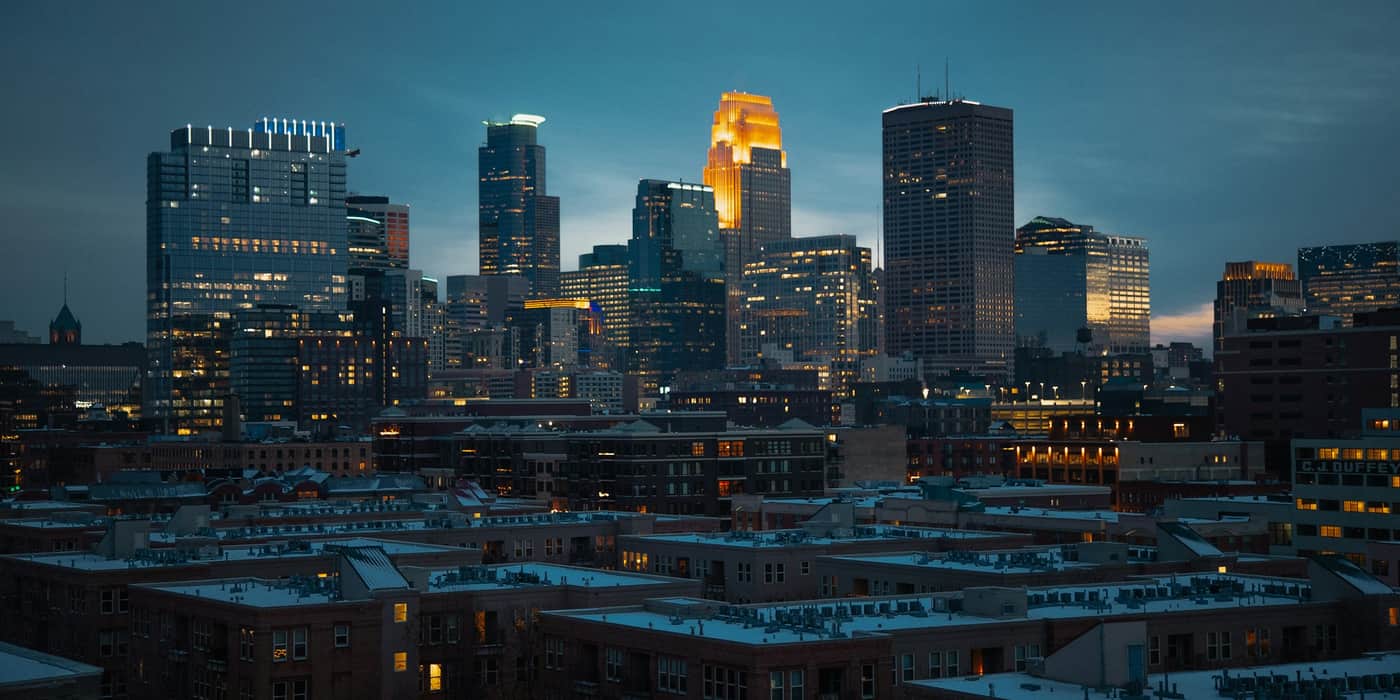
Do you repair restaurant equipment in Minneapolis?
Restaurant equipment repair in Minneapolis covers walk-in coolers, reach-ins, ice machines, fryers, ovens, dish machines and prep equipment, on site in every neighborhood, from downtown and the North Loop to Northeast, Uptown and Lake Street. Emergency calls are answered 24 hours a day, 7 days a week.
Minneapolis in Hennepin County, from North Loop and the Warehouse District
Downtown and the North Loop pack high-volume dining rooms, hotel kitchens and event spaces into buildings that were built for something else, so walk-ins sit in basements and ice machines hide in service corridors. Neighborhood places farther out run smaller line-ups: a pair of reach-ins, one fryer bank, a single undercounter dish machine. When the compressor on a walk-in cooler quits in a basement prep room with one stairwell, the repair is as much about access as about the part.
The mix also leans heavily on bars, taprooms, coffee shops and bakeries. Northeast and the Lake Street corridor have a lot of owner-run kitchens where one dead ice machine means no drinks service at all. Those operators need a clear diagnosis and a written price before anything is replaced, then a visit that fits around service. In owner-run kitchens the person who calls is often the one working the line, so the diagnosis is explained in kitchen terms. If you run a full-service restaurant, the first call is usually about the walk-in or the fryer line.
walk-in cooler, ice machine and commercial fryer
- Walk-In Cooler Repair
Basement and converted-warehouse boxes lean on older condensing units, and the January cold plus summer heat both stress them.
- Ice Machine Repair
Bars, patios and taprooms from Uptown to Northeast depend on ice, and scale and clogged condensers take machines down in peak season.
- Commercial Fryer Repair
Eat Street and campus-area kitchens run fryers for long hours, and failed thermostats and gas valves are routine calls.
- Bar Cooler & Kegerator Repair
Taprooms and cocktail bars concentrate back-bar coolers and direct-draw systems in small footprints where warm air builds up.
- Commercial Dishwasher Repair
High-volume dining rooms and campus dining run dish machines hard, and booster heaters and wash arms are frequent culprits.
North Loop and the Warehouse District, Downtown core and Nicollet Mall, Northeast Minneapolis and the Arts District and 6 more
- North Loop and the Warehouse District
Former warehouses with exposed brick and timber, now full of dining rooms, bars and a large food hall. Mechanical rooms are tight, hoods are retrofitted and loading is often a single curb. Expect long carries for compressors and a heavy share of ice and beverage equipment calls.
- Downtown core and Nicollet Mall
Office-tower cafeterias, hotel kitchens and convention-center catering sit beside the stadium and arena crowds. Event nights spike demand for ice, beer and refrigeration all at once. Freight elevators and shared loading docks decide when a technician can get equipment moved safely.
- Northeast Minneapolis and the Arts District
Converted industrial buildings house taprooms, bakeries and small kitchens along Central Avenue and the river. Bar coolers, kegerators and ice machines dominate. Many of these spaces share walls, panels and utilities with studios or neighboring taprooms, which affects venting and access.
- Uptown and Lyn-Lake
Restaurants, coffee shops and bars along Hennepin Avenue, Lake Street and Lyndale, with a lot of turnover in recent years. Summer patios push ice machines and bar refrigeration hard, and kitchens are packed into narrow storefronts. Rooftop condensers on older low-rise buildings are common, and tight street parking makes loading slow.
- Eat Street on Nicollet Avenue
A long run of independent restaurants and grocery delis in two-story commercial buildings. Cooking is heavy on wok ranges, charbroilers, rice cookers and fryers, which means heavy grease loading and gas-fired equipment that needs regular burner, pilot and valve attention.
- Lake Street and Mercado Central
Mile after mile of taquerias, bakeries and markets, including the indoor market built around a collection of small food vendors. Walk-in and display refrigeration run all hours, and the bakeries and tortilla makers add mixers, proofers and ovens to the usual call list.
- Dinkytown, Stadium Village and the West Bank
Student-driven kitchens around the University of Minnesota, with late hours, high-turnover fryers and griddles, plus campus dining and the medical campus nearby. Equipment takes daily hard use and cleaning gets skipped, and semester breaks are the realistic window for planned work.
- Linden Hills and 43rd and Upton
Neighborhood cafes, bakeries and mid-size dining rooms in older storefronts with small back-of-house footprints. Reach-in refrigeration, espresso machines and compact ovens are the usual calls, and residential street parking limits where a service van can sit for a longer repair. Minneapolis's own corner of 50th and France sits farther south.
- Longfellow and Minnehaha Avenue
Taverns, corner cafes and small bakeries in one-story commercial buildings in the southeast part of the city, close to the Hiawatha rail line and the Mississippi bluffs. Kitchens are modest, with a couple of reach-ins and a single cooking line, so one failed unit can slow the whole menu.
What changes a walk-in cooler repair in Minneapolis
- Subzero stretches in January change what fails: outdoor and rooftop condensers on walk-ins can short-cycle or lose head pressure control in deep cold, and fan cycling and low-ambient controls matter more here than in warmer states.
- Older downtown and North Loop buildings often put the walk-in in a basement or a former loading dock, so moving a compressor, motor or door can mean freight elevators, stairs and a building manager's schedule.
- Summer patio season drives a hard peak on ice and bar refrigeration. Condensers on roofs and alley walls clog with cottonwood fluff and grease-laden dust, which is one of the easiest failures to prevent.
- Stadium, arena and convention-center event nights load nearby kitchens all at once, so equipment that limps along on a quiet Tuesday tends to fail in the middle of a sold-out evening.
- Many neighborhood storefronts share a wall, a roof or a water line with the business next door, which affects how a leaking drain, a tripped breaker or exhaust makeup air gets traced and who has to be told.
full-service restaurants and bars and breweries
Questions from Minneapolis
Can a technician get a compressor into a North Loop or downtown basement walk-in?
A technician can usually get a compressor into a North Loop or downtown basement walk-in, but the building sets the pace. Freight elevator reservations, loading dock windows and stair carries are the real limits, and a compressor or condenser motor may have to be split into carryable pieces. The floor, the elevator size and the building's rules decide how the part travels.
Why does my Uptown ice machine fail every June?
An Uptown ice machine fails in June because patio season asks it for the most ice while the room and the condenser air are at their hottest. A condenser packed with fluff or grease dust can't shed heat, so the machine freezes up or shuts on high pressure.
What happens to a Northeast taproom cooler when the building is shared with a studio or brewery?
A Northeast taproom cooler in a shared building often shares electrical panels and utility rooms with its neighbors. A tripped breaker, a hot mechanical space or a blocked vent can come from the next tenant. We check your equipment first, then trace what else feeds the circuit.
Do Lake Street bakeries and tortilla kitchens get different service than a bar?
Yes, a Lake Street bakery or tortilla kitchen needs different service than a bar because the failures are different. Proofers, deck and rack ovens, mixers and dough equipment fail on heating elements, belts and gearing, while refrigeration and ice matter most at a bar. Which unit is down and what it is doing decide the parts and the plan for the visit.
Are University area kitchens harder on equipment than other Minneapolis kitchens?
Yes, campus and student-district kitchens near the University run fryers, griddles and ice machines long hours with high staff turnover, so neglected cleaning is common. Breaks between terms are when planned work disrupts the least, so call early to line up those windows.
Columbia Heights, St. Louis Park and 6 more
- Columbia Heights, MNabout 4 miles away
- St. Louis Park, MNabout 5 miles away
- Golden Valley, MNabout 5 miles away
- Falcon Heights, MNabout 5 miles away
- Robbinsdale, MNabout 5 miles away
- Roseville, MNabout 6 miles away
- Richfield, MNabout 7 miles away
- Arden Hills, MNabout 7 miles away
Minneapolis is the downtown center of our 30-mile service area.